
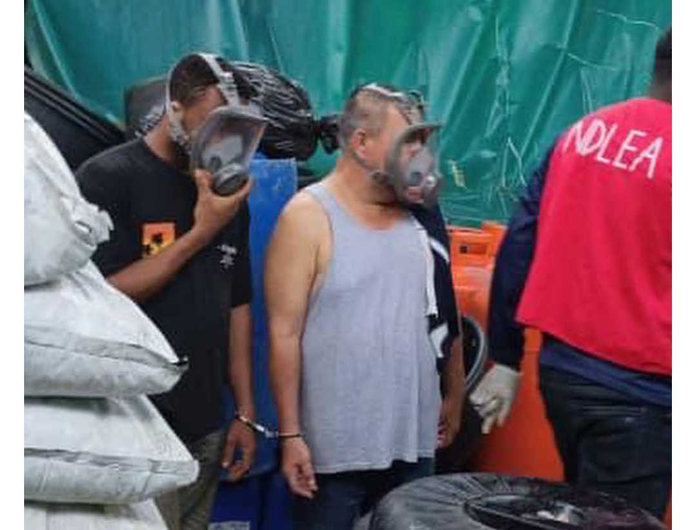
What appeared to be a group of Mexican tourists arriving in South Africa to experience its famous wildlife has turned into a major international drug investigation. Authorities believe several of the visitors were linked to the powerful Sinaloa cartel and had been brought in to help establish large-scale methamphetamine operations, with the drugs allegedly destined for lucrative markets in Australia and New Zealand.
Highlights
- South African police believe Mexican nationals were linked to the Sinaloa cartel.
- A major methamphetamine laboratory was uncovered near Swartruggens.
- Investigators suspect the network was supplying Australia and New Zealand.
- Mexican nationals have also been arrested in suspected drug laboratories in Nigeria.
- Authorities warn that Africa is increasingly being used as both a production and transit hub.
Main Story
‘Tourists’ Raise Police Suspicion
The investigation began after Mexican nationals reportedly entered South Africa claiming they were there to enjoy the country’s famous wildlife and see the so-called Big Five.
Police now believe at least some of them were not ordinary tourists but trained chemists allegedly recruited by the Sinaloa cartel.
Their suspected role was to establish and operate industrial-scale methamphetamine laboratories on remote farms.
One of the biggest discoveries came near Swartruggens, northwest of Johannesburg, where authorities uncovered a laboratory capable of producing huge quantities of methamphetamine.
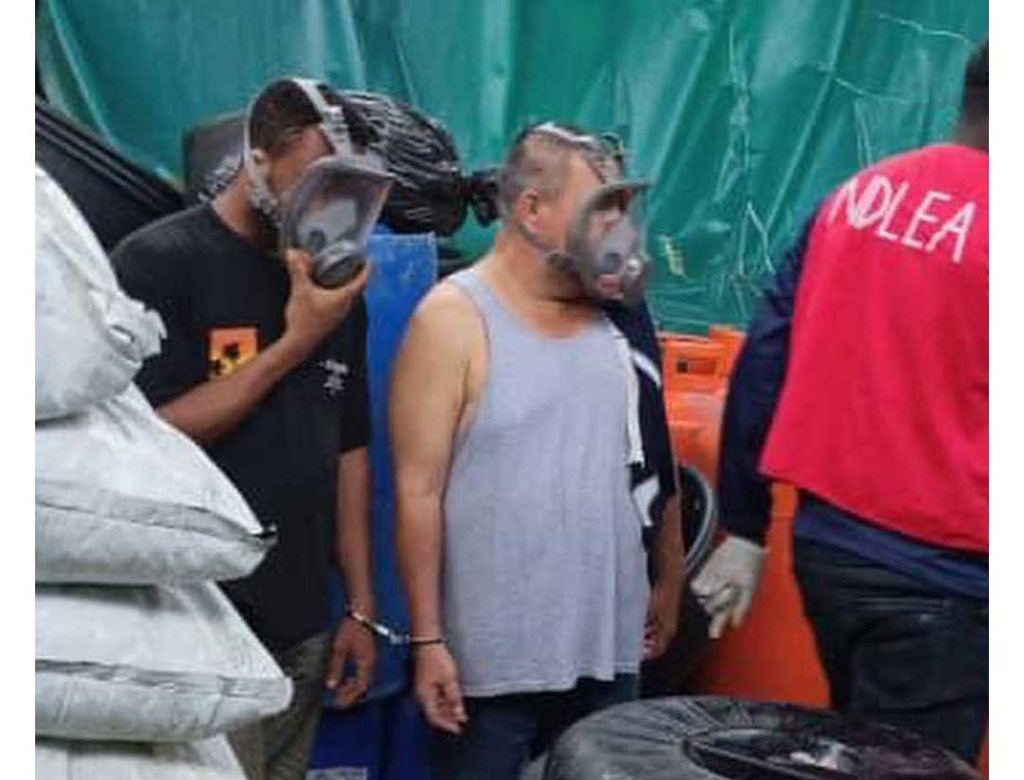
Thirteen people were arrested during the operation, including five Mexican nationals whom investigators identified as chemists.
South African authorities believe the suspects had arrived months earlier on short-term tourist visas.
Australia Connection Under Investigation
Investigators are examining whether methamphetamine produced in South Africa ended up in Australia.
South African Narcotics Enforcement Bureau head Brigadier Devon Naicker said authorities were investigating a possible connection between a shipment seized in Australia and the laboratory discovered near Swartruggens.
Australian authorities have separately acknowledged increased efforts by Mexican criminal organisations to target the country’s illegal drug market.
Australia is considered an especially attractive destination for international drug networks because of the enormous profits associated with methamphetamine trafficking.
A woman was also arrested at Sydney Airport earlier this year after authorities allegedly found a large quantity of powdered methamphetamine in her luggage following a flight from South Africa.
Why South Africa?
Investigators say South Africa offers several advantages to international criminal networks.
The country has extensive rural areas where illegal operations can be concealed, major transport routes and established international shipping and aviation connections.
Authorities also point to corruption as another vulnerability that criminal organisations can exploit.
Police say suspected laboratories are often located on isolated farms but remain close enough to major highways to allow chemicals and finished drugs to be moved without attracting too much attention.
The Swartruggens operation has strengthened concerns that criminal networks are deliberately taking advantage of these conditions.
Mexican Network Spreading Across Africa
South Africa is not the only African country where authorities have uncovered suspected links to Mexican cartels.
Nigeria has also recorded arrests involving Mexican nationals in suspected methamphetamine laboratories.
Authorities there say some of the facilities were operating on an industrial scale, raising concerns that production was intended for international markets rather than local consumption.
Investigators believe criminal groups may be moving into Africa partly because of increasing pressure from authorities in Mexico, Latin America and the United States.
Security experts have warned that the expansion could create a new challenge for African countries already struggling with organised crime and drug trafficking.
Locals Could Become Part of the Network
South African investigators believe Mexican cartel members may sometimes establish laboratories before leaving trained local operators to continue production.
In other cases, authorities say Mexican specialists allegedly provide technical knowledge before returning periodically to oversee operations.
Police believe this model makes it harder to trace the leadership behind individual laboratories because the people found at the sites may represent only the lower levels of a much larger criminal network.
At the Swartruggens facility, some suspects reportedly claimed they had been kidnapped after arriving in South Africa. Investigators have rejected those accounts and suggested that the circumstances surrounding their stay are still being examined.
Nigeria Faces Similar Threat
Authorities in Nigeria are also increasingly concerned about suspected Mexican cartel activity.
Officials say several laboratories discovered in the country have involved Mexican nationals, with investigators believing some were designed to supply overseas markets.
The development has raised concerns that Africa could become increasingly important to international drug organisations looking for new production and trafficking routes.
Experts say countries with large rural areas, busy ports and airports, and vulnerable institutions can become attractive operating environments for sophisticated criminal groups.
Africa Faces the Blowback
While international markets may be the main target of some of these operations, African communities could also pay the price.
Officials warn that people involved in trafficking are sometimes compensated with drugs rather than money, creating an incentive for narcotics to be introduced into local markets.
That is already raising concern in parts of southern Africa, where health and rehabilitation workers are reporting more cases involving methamphetamine.
The spread of synthetic drugs could therefore become a bigger public health challenge even in countries that initially served mainly as transit or production locations.
Authorities Step Up the Fight
South African authorities have intensified cooperation with international agencies, including US law enforcement, as they attempt to identify the wider networks behind the laboratories.
Investigators are now working to determine how the suspected cartel operations were financed, where the drugs were being sent and who else may have been involved.
The arrests also form part of a wider warning to countries across Africa: the continent’s infrastructure and international connections can be exploited by criminal organisations looking for new bases.
The growing concern is no longer simply about individual drug laboratories, but whether Africa is becoming a strategic part of a global narcotics supply chain.
As international criminal networks search for new routes and operating bases, Africa is being forced to confront a difficult question: how prepared are its institutions to stop the next global drug pipeline before it takes root?

