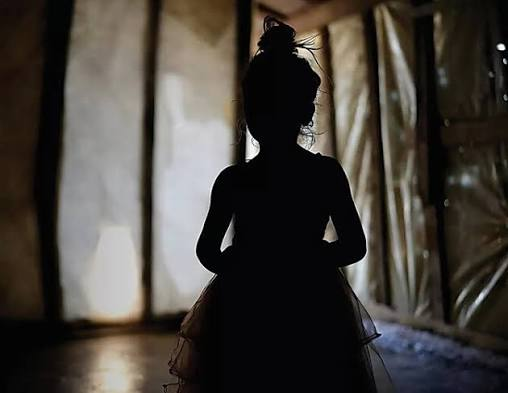
Women and girls in Gaza are facing growing risks of gender-based violence, early marriage and sexual exploitation as the prolonged humanitarian crisis continues to dismantle social and support systems, according to recent reports by the UN Population Fund (UNFPA).
The reports paint a troubling picture of families struggling with displacement, poverty and insecurity, with some girls being pushed into marriage as relatives seek protection or relief from financial pressures.
Highlights
- Reported early and forced marriage cases rose by 123% in the second quarter of 2026.
- UNFPA says sexual violence in Gaza has reached a critical level.
- Displaced and orphaned girls are among those considered particularly vulnerable.
- Poverty, hunger and insecurity are contributing to increased protection risks.
- Humanitarian agencies are calling for improved shelter, sanitation, lighting and support services.
Main Story
Rising Risks for Women and Girls
Women and girls in Gaza are facing increasingly difficult conditions as the humanitarian crisis continues, with a new UNFPA analysis highlighting a sharp rise in gender-based violence.
The report, which draws on information collected by 10 organisations, says the prolonged crisis has created an environment where women and girls face heightened exposure to violence, exploitation and early or forced marriage.
The situation has become particularly concerning for families living in displacement camps and damaged buildings, where privacy and access to basic services remain severely limited.
Early Marriage Cases Surge
According to UNFPA, reported cases of early and forced marriage increased by 123% in the second quarter of 2026 compared with the previous quarter.
The UN considers marriage involving girls below 18 to be early marriage.
Humanitarian workers say the increase is linked to a combination of poverty, insecurity, displacement and the breakdown of traditional support systems.
Some families reportedly view marriage as a way of protecting girls from harassment or ensuring that relatives no longer have to shoulder their financial responsibilities.
Girls who have lost one or both parents during the conflict are considered especially vulnerable.
War and Poverty Increase Pressure
The reports describe a population struggling with widespread displacement, hunger and the loss of essential public services.
With most of Gaza’s population having been displaced at some point during the conflict, many families are living in overcrowded tents or damaged buildings.
Aid agencies say that although some markets have reopened, many people remain unable to afford basic necessities and continue to depend heavily on humanitarian assistance.
For families already struggling to provide food and shelter, marrying off a daughter can become a desperate response to difficult circumstances.
Education Disrupted
The crisis has also had a major impact on children’s education.
Before the war, Palestinian girls in Gaza generally performed strongly in education, particularly beyond primary school. Prolonged school closures, however, have left many children out of classrooms.
For boys, economic pressure can push them into informal work to support their families.
Girls face additional concerns around safety, particularly when living in crowded displacement sites where they may have little privacy and limited access to secure sanitation facilities.
UN safety assessments have identified particular risks for women and girls at night, with some avoiding toilets and bathing facilities because they fear harassment or assault.
Sexual Violence Remains Under-Reported
The UNFPA-led analysis also found an increase in reported incidents of sexual violence, including rape and sexual assault.
Such cases accounted for 2.7% of reported gender-based violence incidents between April and June 2026, compared with 2.1% during the previous quarter.
The number of reported cases increased by 61% during the period.
UNFPA officials caution that the available figures do not necessarily reflect the full scale of the problem because sexual violence remains heavily under-reported due to stigma, fear of retaliation and concerns about confidentiality.
Women between 18 and 59 made up the largest proportion of reported survivors, followed by adolescent girls and adult men.
Widows and Vulnerable Families at Greater Risk
The humanitarian crisis has also changed the structure of many households.
Nearly one in four households is now reportedly headed by a woman, roughly twice the proportion recorded before the war.
Aid organisations say widows and women whose husbands are missing or detained can face increased risks of exploitation and abuse, particularly when they need shelter or other basic necessities.
The reports document accounts of women being offered assistance on exploitative terms, highlighting the vulnerability created by a severe shortage of safe accommodation.
Health Risks for Young Brides
Humanitarian organisations are also raising concerns about the health consequences of adolescent pregnancies associated with child marriage.
Girls in their early teens face greater health risks during pregnancy, particularly when they are dealing with hunger, poor sanitation and limited access to healthcare.
UNFPA representatives have warned that pregnancies involving very young girls can lead to serious complications for both mothers and babies.
Support organisations working in Gaza have reported cases involving miscarriages, low birth weight and other complications among adolescent mothers.
Calls for Better Humanitarian Conditions
Aid agencies say improving basic living conditions could significantly reduce some of the risks facing women and girls.
They are calling for better-quality shelters, improved sanitation facilities, adequate lighting and greater access to healthcare and education.
There are also longer-term efforts aimed at addressing domestic violence and child marriage while strengthening services for survivors of gender-based violence.
Despite the enormous challenges facing Gaza’s population, humanitarian organisations say stronger protection systems and safer living conditions could help reduce the risks faced by women and girls.
For many women living through the crisis, the immediate hope is simple: to have a future where safety, education and basic dignity are no longer out of reach.
Behind every statistic is a woman or girl whose future has been reshaped by conflict and for many in Gaza, safety and dignity remain the most urgent hopes for tomorrow.