
Kenya’s second school term of 2026 will be remembered for more than classroom learning. While the government pushed ahead with major education reforms and preparations for the Grade 10 transition, a series of tragic school fires, student unrest and security concerns left the education sector facing one of its most difficult periods in recent history.
Highlights
- Deadly fire at Utumishi Girls Academy claimed 16 students’ lives.
- More than 200 boarding schools were temporarily closed due to unrest.
- Millions of shillings worth of school property were destroyed.
- Government continued preparations for Grade 10 under the Competency-Based Education system.
- School safety inspections and reforms were intensified nationwide.
Main Story
A School Term Marked by Tragedy
The second academic term began with hopes of strengthening Kenya’s education system but quickly turned into one of the most difficult periods for schools across the country.
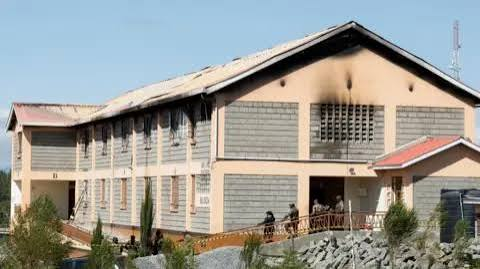
The most heartbreaking moment came when a devastating fire broke out at Utumishi Girls Academy in Gilgil, killing 16 students and leaving dozens more injured. The tragedy shocked the nation, leaving families, teachers and learners mourning while raising serious concerns about safety standards in boarding schools.
Following the incident, the school was temporarily closed before gradually reopening under strict security measures, counselling programmes and enhanced safety protocols.
Student Unrest Sweeps Across Schools
Beyond the tragic fire, schools across Kenya experienced a wave of unrest that disrupted learning for thousands of students.
According to the Ministry of Education, over 200 boarding secondary schools were temporarily shut down after students staged riots, set dormitories ablaze and destroyed school property.
The destruction affected classrooms, administration blocks, dormitories and learning facilities worth millions of shillings, forcing many schools to redirect resources from education to repairs and security improvements.
Education Reforms Continue Despite Challenges
Even with the disruptions, the Ministry of Education continued rolling out major reforms under the Competency-Based Education (CBE) curriculum.
Schools accelerated preparations for the Grade 10 transition by identifying learning pathways, training teachers and preparing learners for senior school placement.
The government also invested in improving classrooms, laboratories, dormitories and sanitation facilities to support increasing student enrolment across the country.
Focus Turns to School Safety
The tragic incidents prompted authorities to launch nationwide inspections targeting boarding schools.
Officials examined electrical systems, emergency exits, firefighting equipment and dormitory conditions to ensure schools meet safety standards.
A multi-agency taskforce was also formed to investigate the causes of the unrest and recommend long-term solutions aimed at preventing similar incidents in future.
Challenges Still Remain
Despite the progress made in implementing education reforms, several issues continue to affect schools across the country.
Teacher shortages remain a major concern, with many public schools struggling to provide adequate staffing as student numbers continue to rise under the new education system.
Education experts believe addressing infrastructure gaps, learner welfare, mental health support and school security will be critical if the reforms are to achieve their intended goals.
As Kenya works to modernise its education system, the events of this school term serve as a reminder that learner safety, discipline and wellbeing must remain at the heart of every reform.

