
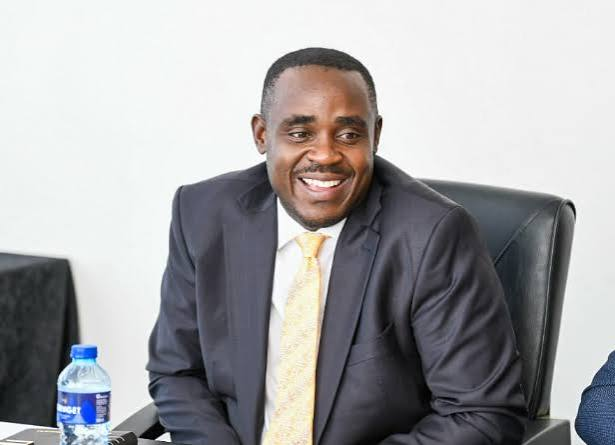
Democracy for Citizens Party (DCP) Deputy Leader Cleophas Malala has criticised President William Ruto’s approach to university financing, accusing the government of making decisions without proper planning. His remarks come as the State moves to introduce a new model aimed at fully funding students admitted to public universities and colleges.
Highlights
- Malala accused Ruto of relying on “guesswork” in decision-making.
- He questioned the planning behind the university funding model.
- Public universities face billions of shillings in funding gaps.
- The government is considering full funding for qualified students.
- Education financing remains a major national debate.
Main Story
Malala Questions Government’s University Funding Strategy
DCP Deputy Leader Cleophas Malala has challenged President William Ruto’s handling of higher education financing, claiming the government failed to conduct enough research before introducing changes to the university funding system.

Speaking during a radio interview, the former Kakamega Senator said the funding model could have achieved better results if a detailed feasibility study had been carried out before implementation.
Malala argued that major decisions affecting millions of Kenyans require proper public consultation and planning.
Criticism Over Funding Model Challenges
The politician said the challenges facing universities show weaknesses in the government’s approach to policy-making.
He claimed the decision to move toward a 100 per cent funding model for students was an indication that the previous system had not delivered the expected results.
Malala maintained that leaders must ensure policies are practical and sustainable before rolling them out.
Universities Face Billions in Funding Shortfalls
The debate comes amid concerns over financial pressure facing public universities.
Education officials have previously revealed that funding requirements have exceeded available government allocations.
For the 2025/2026 financial year, the government required billions of shillings to support first-year students under the Student-Centred Funding Model but received a lower allocation, creating a significant funding gap.
Continuing students under the Differentiated Unit Cost Funding Model have also faced shortages, further increasing pressure on institutions.
Overall, the higher education sector has reported a gap between the amount required for scholarships and grants and the funds allocated.
Government Plans Full Student Funding
President William Ruto recently announced plans to introduce a system where every student who qualifies for admission to a public university or college would receive full government funding.
The President said the proposed changes are aimed at ensuring that a student’s financial background does not prevent them from accessing higher education.
The move is expected to reshape the current financing model, which has faced criticism from students, institutions and political leaders.
Education Funding Debate Continues
As the government prepares to adjust the system, questions remain over how the new approach will be financed and whether it will address the challenges facing universities.
The debate has placed higher education funding at the centre of national discussions, with leaders divided on the best path forward.
Education remains one of the strongest investments a country can make but the success of any funding plan depends on proper planning, transparency and sustainable solutions.

