
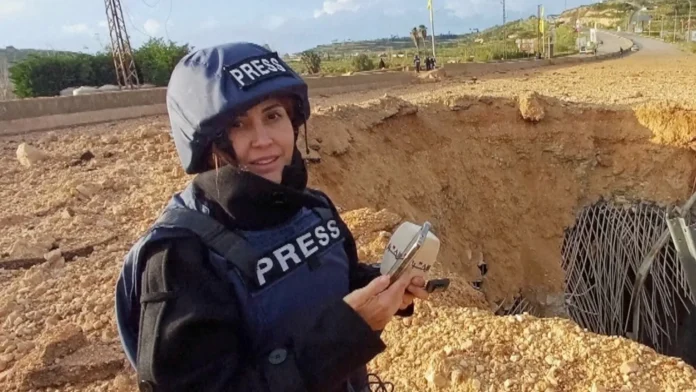
Tensions between Lebanon and Israel have intensified after a deadly air strike in southern Lebanon left a journalist dead, sparking accusations of a targeted attack and renewed global concern over the safety of media workers in conflict zones.
Highlights:
- Lebanon alleges journalist was deliberately targeted in air strike
- Israel denies targeting civilians, says operations focus on security threats
- Calls grow for independent international investigation
- Incident raises alarm over journalist safety in war zones
Main Story:
Deadly Strike Sparks Controversy
A recent air strike in southern Lebanon has triggered international concern after a journalist was among those killed. Authorities in Lebanon claim the individual was clearly identified as a member of the press at the time of the attack, raising serious questions about whether media personnel were intentionally targeted.
Lebanon Condemns the Attack
Lebanese officials have strongly criticized the incident, describing it as a breach of international law. They argue that journalists are protected under the rules governing armed conflict and should not be treated as targets.
The government has gone further to suggest that, if proven deliberate, the strike could amount to a war crime. Calls are now growing for an independent investigation to establish exactly what happened and who may be responsible.
Israel Maintains Its Position
On the other side, Israel has not acknowledged any deliberate targeting of a journalist. The Israel Defense Forces maintains that its operations are directed at militant threats and are based on intelligence assessments.
Israeli officials have consistently stated that civilian casualties are not intentional, adding that armed groups sometimes operate within civilian areas, complicating military operations.
Growing Global Concern
The incident has intensified global debate around the safety of journalists covering conflicts. Media watchdogs and international bodies are raising concerns over potential violations of international humanitarian law and the need for greater accountability.
It also comes at a time of heightened tension along the Lebanon-Israel border, with fears that such incidents could further destabilize the region.
What Happens Next
Attention is now shifting to investigations that could determine whether the journalist was deliberately targeted or caught in the crossfire. The findings will be critical in assessing compliance with the laws of war and deciding whether any legal action should follow.
Read Also:
- Sakaja Risks Arrest After Missing Court in Ngara Evictions Case
- Another Twist in KU Saga as Court Blocks New Vice Chancellor Appointment
- Drake’s Ice Block Challenge Ends in Big Reveal as Streamer Uncovers Album Date

