
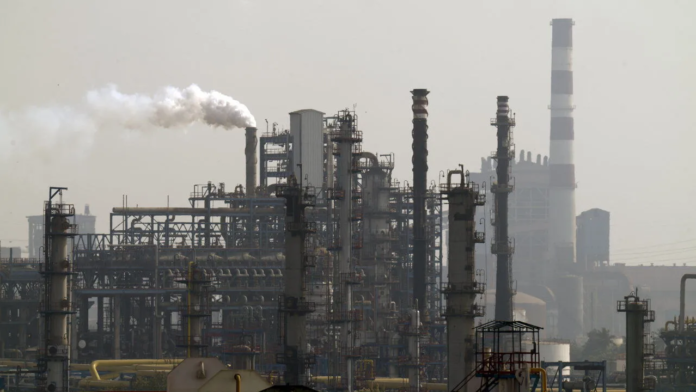
A fresh wave of tension is sweeping across the Middle East after Iran issued a chilling warning targeting US-linked energy facilities in the Gulf. This comes just hours after former US President Donald Trump reportedly gave Tehran a strict deadline to reopen the Strait of Hormuz a move that has sent shockwaves through global energy markets and raised fears of a wider regional conflict.
Highlights:
- Iran warns it could target US-linked energy sites across the Gulf
- Trump gives Tehran a 48-hour ultimatum over the Strait of Hormuz
- Global oil supply fears rise as tensions escalate
- Middle East risks sliding into a broader conflict
- Energy infrastructure becomes a key target in the standoff
Main Story:
A High-Stakes Ultimatum
The situation escalated after Donald Trump issued a strong warning to Iran, demanding that it reopen the Strait of Hormuz within 48 hours or face serious consequences. Among the threats reportedly on the table is possible military action targeting Iran’s power infrastructure.
The Strait of Hormuz is one of the most critical shipping routes in the world, acting as a gateway for a significant portion of global oil supply. Any disruption in this narrow passage has immediate ripple effects across international markets.
Iran Fires Back
In response, Iran has not held back. Officials from Tehran have warned that any attack on their territory or energy systems would trigger swift retaliation not just within Iran, but across the wider Gulf region.
This includes potential strikes on energy facilities linked to the United States and its allies, signaling that the conflict could quickly spread beyond a single country.
Energy at the Center of the Conflict
What makes this standoff particularly dangerous is the focus on energy infrastructure. Oil facilities, power plants, and export terminals are now being viewed as strategic targets.
With Gulf nations playing a major role in global oil production, any attack on these installations could disrupt supply chains, spike fuel prices, and affect economies worldwide including countries far from the conflict zone like Kenya.
A Region on Edge
The latest developments add to an already tense situation in the Middle East, where military activity and political friction have been steadily increasing.
There are growing fears that if neither side backs down, the situation could spiral into a larger conflict involving multiple nations, especially those with strategic interests in the region’s energy resources.
What This Means Globally
Beyond the immediate political drama, the economic implications are massive. Reduced oil flow through the Strait of Hormuz could lead to higher fuel prices globally, increased cost of living, and pressure on businesses and households.
For many, this is no longer just a regional issue it’s a global concern that could shape the coming weeks in unpredictable ways.
As global powers trade threats and energy routes hang in the balance, the big question remains who will blink first before the situation spins out of control?

